
AI Infrastructureintermediate
The New Pi AI HAT and What It Can Really Do
The Raspberry Pi AI HAT+ 2 puts a 40-TOPS NPU and 8GB of RAM on a Pi 5. Here is what it can run, where it hits the wall, and which tools make it worth the money.
Browse every published guide, filter by topic tag, and go deeper into practical AI workflows.
The Raspberry Pi AI HAT+ 2 puts a 40-TOPS NPU and 8GB of RAM on a Pi 5. Here is what it can run, where it hits the wall, and which tools make it worth the money.
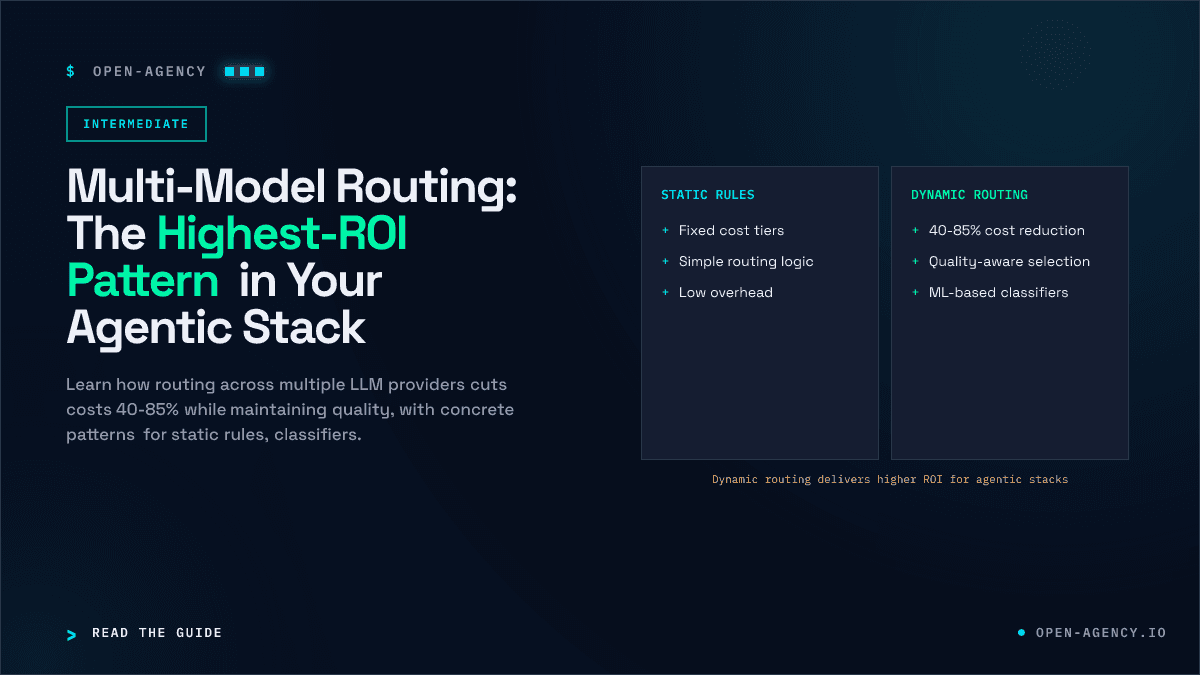
Learn how routing across multiple LLM providers cuts costs 40-85% while maintaining quality, with concrete patterns for static rules, classifiers, embeddings, and hybrid approaches.
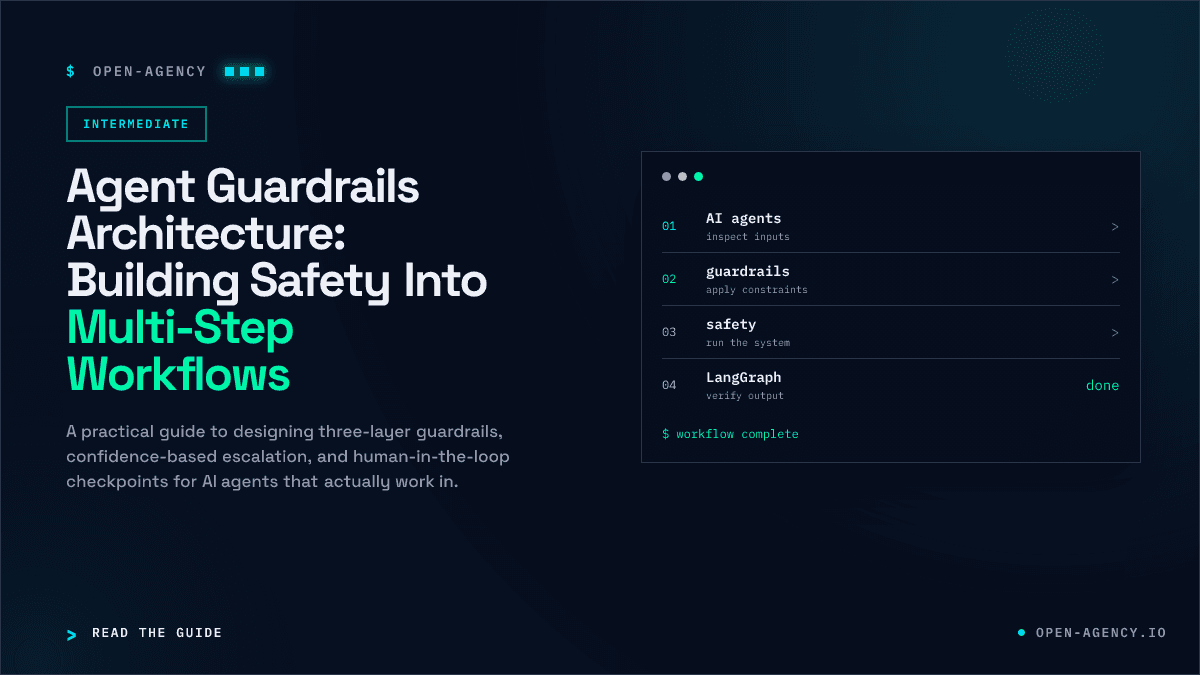
A practical guide to designing three-layer guardrails, confidence-based escalation, and human-in-the-loop checkpoints for AI agents that actually work in production.
Context rot degrades your agent's output long before the context window fills. Here's why it happens, how to measure it, and what actually works to stop it.
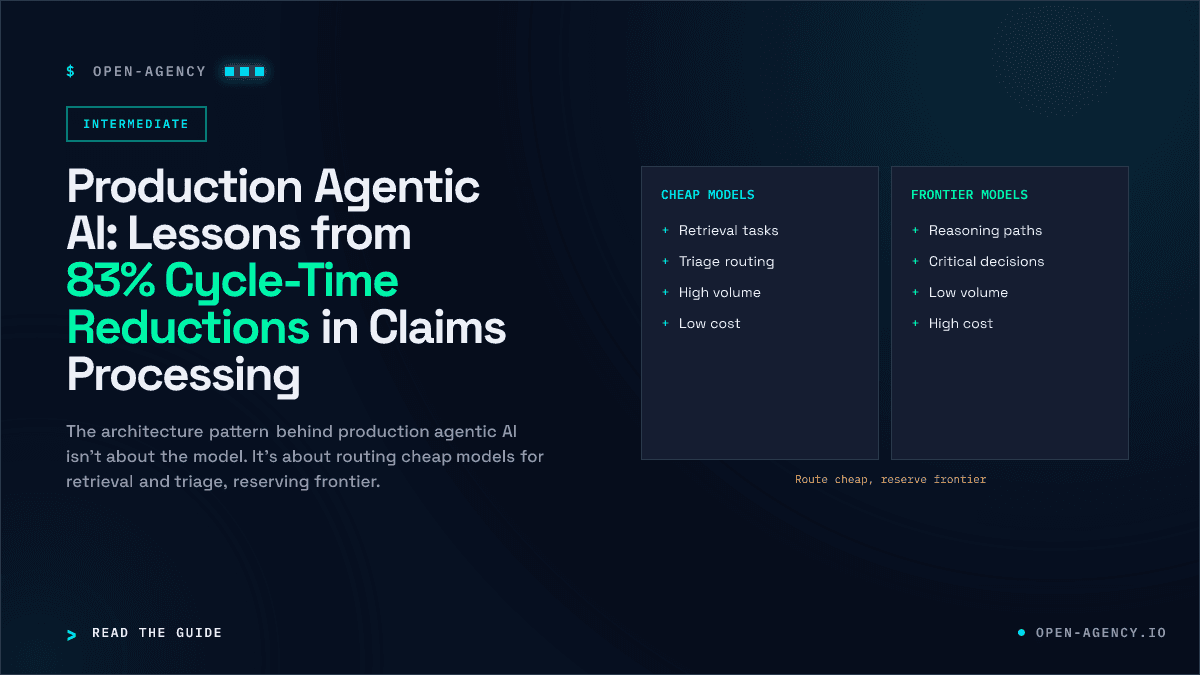
The architecture pattern behind production agentic AI isn't about the model. It's about routing cheap models for retrieval and triage, reserving frontier models only for reasoning-critical paths.
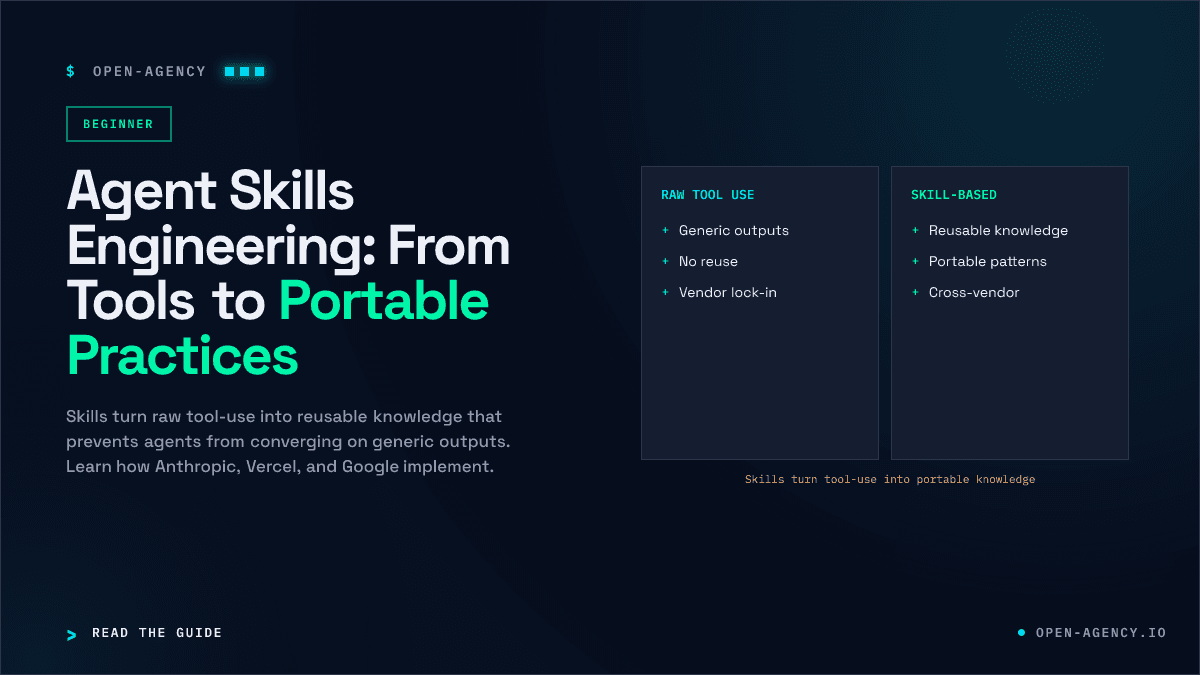
Skills turn raw tool-use into reusable knowledge that prevents agents from converging on generic outputs. Learn how Anthropic, Vercel, and Google implement them, and how to build your own skill orchestrator.
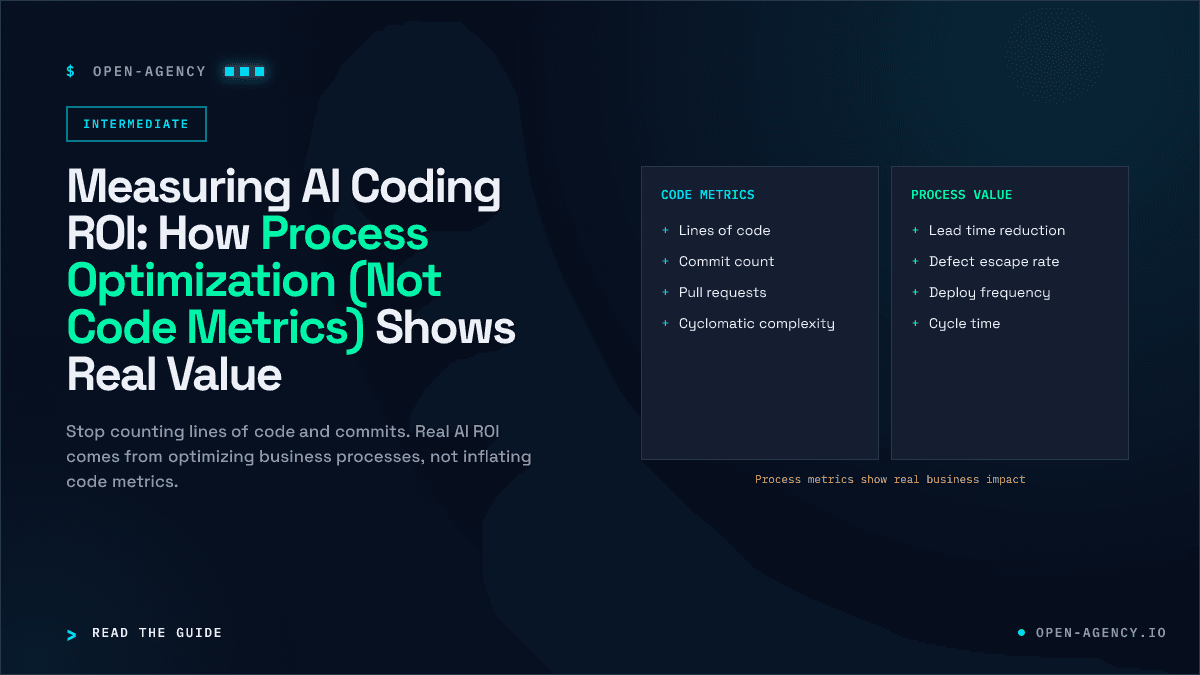
Stop counting lines of code and commits. Real AI ROI comes from optimizing business processes, not inflating code metrics.
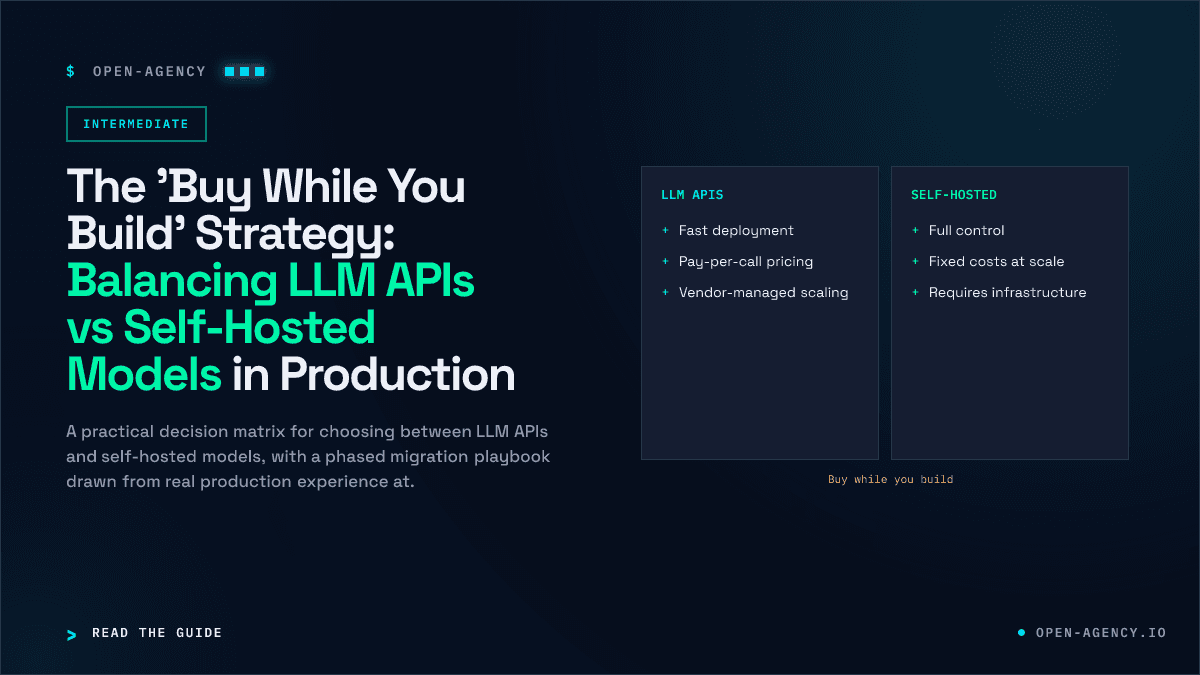
A practical decision matrix for choosing between LLM APIs and self-hosted models, with a phased migration playbook drawn from real production experience at Neeva, TikTok, and enterprise deployments.

How RTK reduces token consumption by 60-90% through shell output compression, and how to integrate it into your agentic workflow alongside caching and dependency management.

Each of the five dominant agent frameworks in 2026 encodes a different answer to the question: what should an agent framework be? Here is how to match the philosophy to your production use case.